


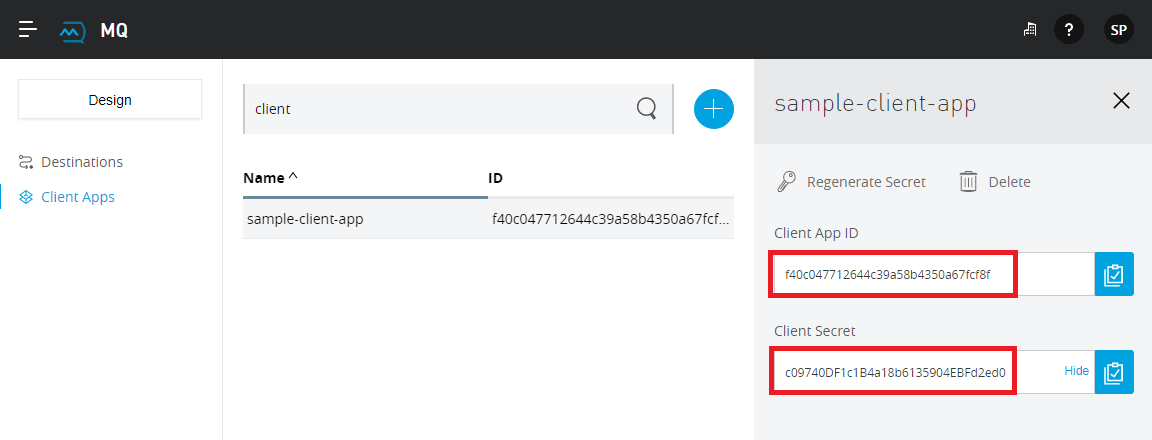
MuleSoft has exposed an API that provides access to Anypoint MQ administrative functionality. For those who are not familiar with Anypoint MQ, it's a multi-tenant, cloud messaging service that enables customers to perform advanced asynchronous messaging scenarios between their applications. Using this API you can perform a series of actions that otherwise would only be accessible through the Anypoint Platform's web interface. And since many organisations prefer to externalise and automate this type of processes using scripts, I would like to explain how to use all four basic CRUD methods (Create, Read, Update and Delete) using this API.
Tech
How to consume RPC-style web service in Mule 4
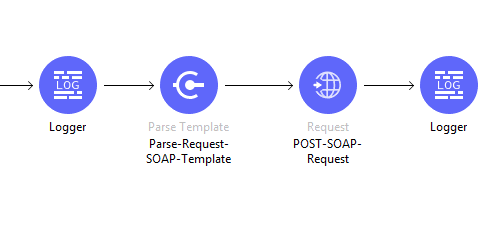
Recently, one of our customers requested to consume RPC-style web services built on top of a legacy system. Unfortunately, I then discovered that RPC WSDL were not supported by the Web Service Consumer connector in Mule 4. Want to know the solution?
Tech
What's new at MuleSoft?
If you read my last blog post on May's MuleSoft Summit, you'll remember that I told you I got a sneak peek at MuleSoft's roadmap.
Well, that functionality has now been released.
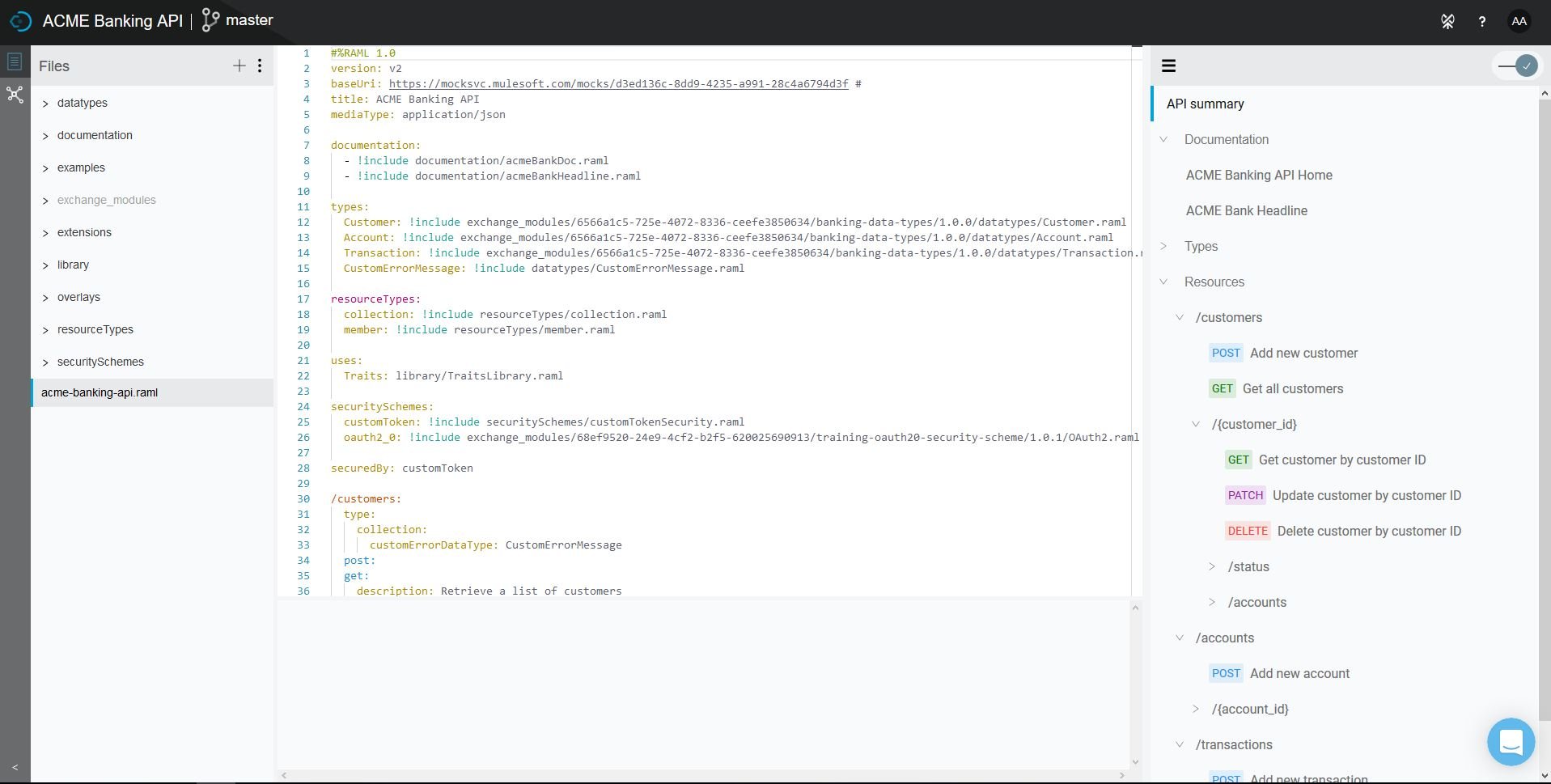
On July 29th, MuleSoft's Crowd release went live. It seemed like a long wait, but it was finally time to put my hands on the new Anypoint Exchange 2.0 and the completely new component, Design Center. Now that I've had a few days to take a look around at all of the new functionality, I'm rounding up my highlights below.
Tech
MuleSoft in action: the lowdown on MuleSoft Summit 2017

I'm an Integration Consultant and part of Infomentum's wider integration team. As well as being a MuleSoft trainer, I'm a certified MuleSoft developer and an Oracle SOA suite specialist.