

We know that effectively managing the ever-growing and quickly-changing world of customer data can feel overwhelming. Salesforce Data 360 (formerly Data Cloud) is here to change that! But what exactly is it? And even more, why should it matter to your business? Turns out that Data 360 isn't just for those working in technical roles - so how can it have an impact for business users? Let’s dive in and break it down!
What is Salesforce Data 360?
At its core, Salesforce Data 360 is a real-time platform which is designed to unify and activate data. It connects data from each of your systems - CRM, apps, websites and more - into a single, actionable view of your customer (this is often referred to as Customer 360).
It takes all your customer interactions, from a service call to a recent purchase, and combines them into one real-time profile. Now more than ever, meaningful interactions with customers are essential to achieving success. A comprehensive, unified view allows businesses to provide them with seamless, personalised experiences.
How Data 360 works
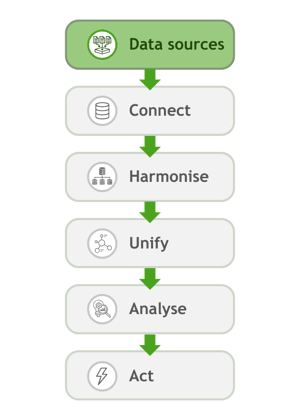
Understanding the way that Data 360 works can help demystify the magic behind its capabilities. Here’s a simple breakdown:
Data ingestion
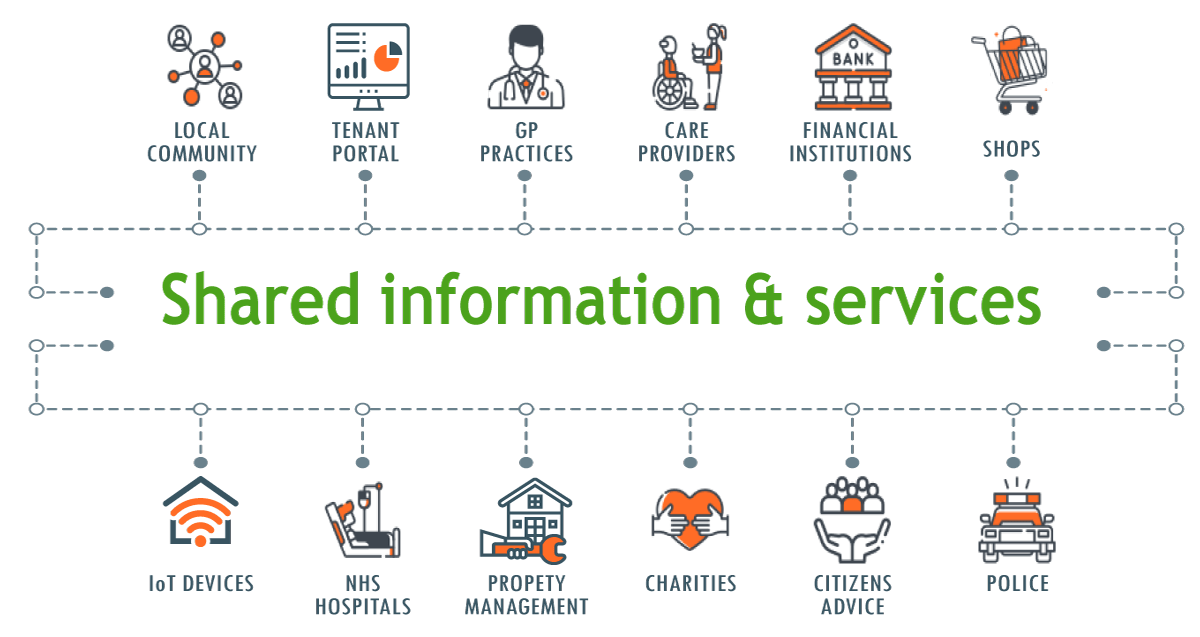
Data 360 pulls information from various sources such as CRM systems, eCommerce platforms, mobile apps, social media and IoT devices. This data can flow in real time or in scheduled batches. For example, when a customer interacts with your website or completes a purchase, this information is instantly captured.
Data unification
Once ingested, the platform uses identity resolution to link key data points like email addresses, phone numbers and/or user IDs. This process eliminates duplicates and connects fragmented data into a single, cohesive profile. With this profile, you are bringing together purchase history, service requests, and marketing engagement into one comprehensive view of your customer.
Data enrichment and AI analysis
Next, Data 360 enriches your unified profiles by adding additional context, such as predictive analytics from Einstein AI. The platform analyses patterns in the data to suggest insightful next steps, like cross-sell opportunities or customer segmentation.
Activation
Finally, the wholistic and enriched data is made actionable across various Salesforce platforms or third-party tools. This could mean triggering customised marketing campaigns, tailoring product recommendations or even providing contextual insights to customer service teams during critical interactions.
Benefits of Salesforce Data 360
Now that you understand what and how Data 360 works, let's get into the exciting part - the benefits!
Data 360 is different from other data solutions. While many platforms store data, Data 360 integrates it in real-time and provides tools to act on it immediately. With unified profiles, businesses can deliver consistent, personalised touch points across each of their different channels. Ultimately, this drives hard-hitting impact and enhances customer experiences. And even more, by using built-in connectors and MuleSoft integration, Data 360 simplifies complex data workflows and adapts to various business needs, making it easy to implement. Let's explore each of these benefits further:
- A single source of truth - By consolidating all your customer data, Data 360 ensures a unified and reliable view of each customer. Businesses can integrate information from various sources - applications, devices or streams - thereby allowing teams to access accurate and up-to-date profiles at any time.
- Real-time actionability - Unlike traditional data platforms, Data Cloud empowers businesses to act on customer data immediately. Real-time updates mean marketing campaigns, customer support interactions and other touch-points are driving impact precisely at the moments you need it, improving conversion rates and customer satisfaction.
- Enhanced decision-making with AI - Data 360's built-in AI tools analyse customer behavior and trends, enabling smarter automation, improved customer segmentation and predictive decision-making.
- Seamless integration across ecosystems - When paired with MuleSoft, Data 360 bridges legacy systems and modern applications, ensuring a seamless flow of data. Whether connecting CRM systems or eCommerce platforms, this enhanced combination eliminates silos and streamlines processes even further.
.png?width=300&height=251&name=MS%20and%20DC%20Diagram%20(3).png)
- Exceptional customer experiences - Data 360 drives hyper-tailored interactions, whether that’s through product suggestions or timely customer success engagement. Businesses can connect with customers in ways that create meaningful engagement that's always relevant, building resounding loyalty for your brand.
Key terminology
To fully understand Salesforce Data 360, it’s helpful to get familiar with some key concepts:
- Customer 360 - This refers to the ultimate goal of Data 360 - a single, comprehensive view of your customer. By combining interactions across sales, marketing, service and eCommerce, businesses can better understand customer preferences and behaviors. It ensures that every team, from marketing to customer support, has access to the same, accurate data.
- Data lake - A data lake is where raw, unstructured data is stored before being processed. It's essentially a central hub for all your organisation’s data, from customer emails to transaction logs. Data 360's data lake ensures data is stored securely and remains easily accessible for further processing.
- Identity resolution - This is the process of matching different data points - like a customer’s email address, loyalty program ID or social media handle - to one single individual. It ensures businesses don't send duplicate marketing materials or misinterpret a customer’s journey due to fragmented data.
- Einstein AI - Built into Salesforce, Einstein AI uses machine learning to analyse customer data, predict behaviors and offer actionable insights. For instance, it might recommend particular products a customer is likely to purchase, or even predict which customers are at risk of churning.
Conclusion
Data 360 is making waves in the way businesses understand and interact with their customers. By simplifying data management and delivering actionable insights, it empowers organisations to deliver personalised experiences at scale.
At Infomentum, we are specialists in helping businesses unlock the potential of tools like Data 360. Are you ready to see how it can drive impact for your business? Get in touch with our team to start your journey toward a unified customer view.